Гђђ2020ећџе€›ећ•ж‹ќгђ‘ећџе€›й…’еђ§ећ•ж‹ќ80дѕќеђ„з§ќе¤њеє—зѕћеґі1-4е­ј File

DataMiner is the xOps platform built for the Intelligence Era. It unifies data, systems, and workflows across your operational ecosystem — bridging complex infrastructure and automated intelligence to give you real-time visibility and control across your entire operation.

DataMiner turns complex operations into intelligent ecosystems for:

Read our customer stories

What will DataMiner xOps do for you?

Fast-track your digital transformation​

Because digital transformation is not a goal by itself, it is a means to an end. It is about making the transition from the digital era to the now quickly emerging data-driven era. It is a transformation, not an evolution. It is about a caterpillar transforming into a butterfly, and to excel at thriving in an entirely new data-driven world.​

Emerge as an Agile data-driven powerhouse​

Because that’s eventually what it is all about. Everything revolves about running your ecosystem better, faster and cheaper. And in the new quickly emerging data-driven era, it all boils down to leveraging data and controls easily, efficiently and securely.​

【2020原创厕拍】原创酒吧厕拍80位各种夜店美女1-4季

How does it work

DataMiner features a system architecture geared towards converting data and controls from across an entire organization into value towards that organization's goals.

key features of DataMiner

Transform your data into value

With DataMiner in place, you are equipped to operate with unmatched efficiency and agility, thriving as a fully digitized organization.

Ingest and standardize diverse data sources in DataMiner

awareness

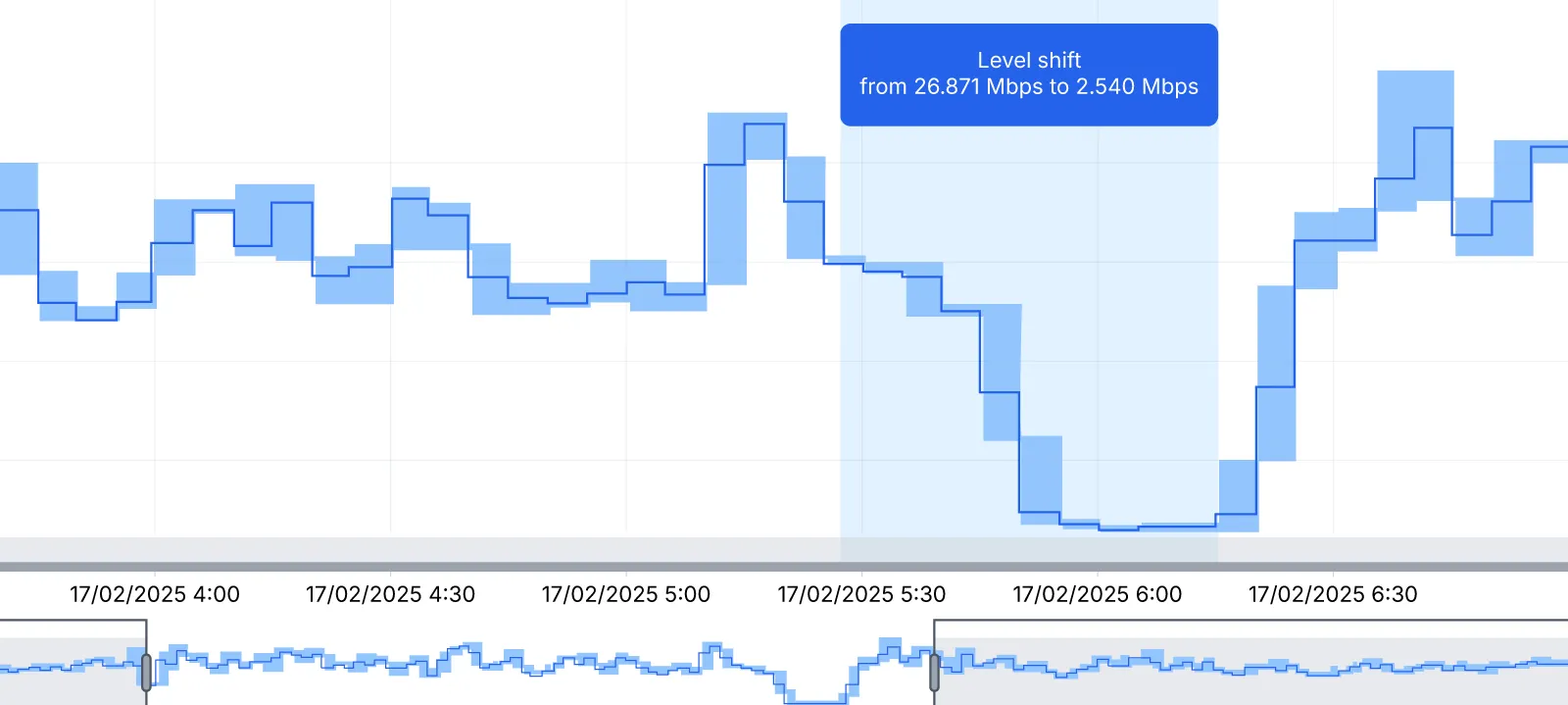
Anomaly detection & proactive alarming

Identify anomalies and predict failures before they impact operations. Minimize downtime and optimize service continuity with AI-powered insights.

Digital twin representation

mapping

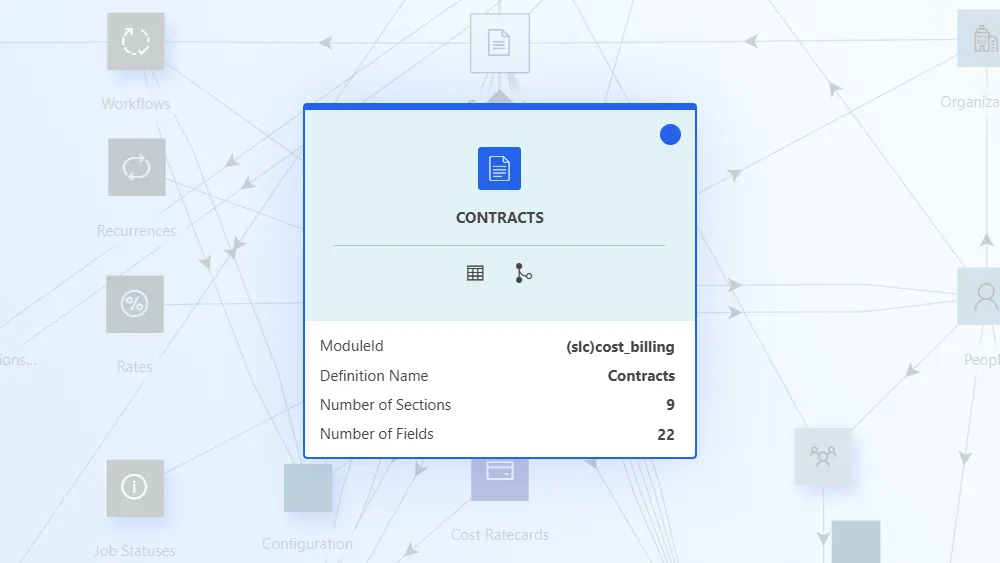
Object & relationship mapping

Visualize complex interdependencies across your entire ecosystem. Gain clarity on how assets, people, and processes interact in real time.

Modular architecture of DataMiner

automation

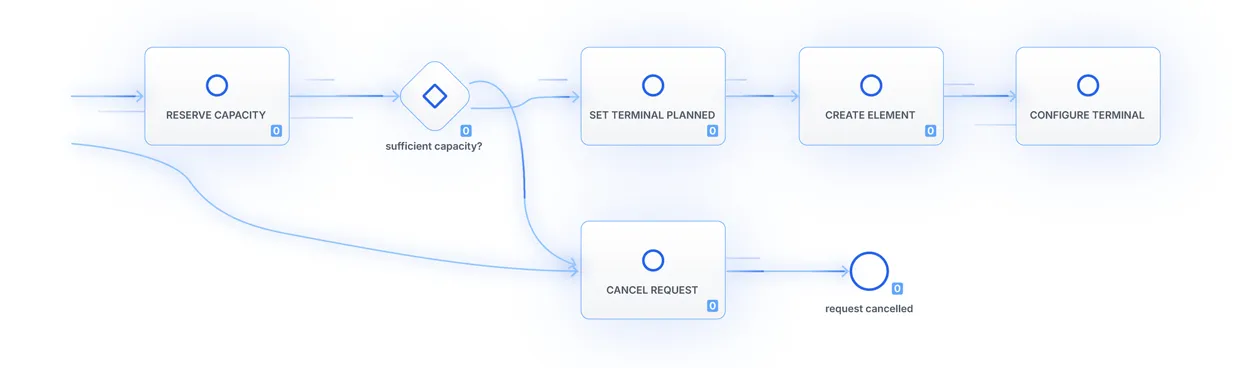
Workflow & process automation

Automate and optimize operations with scheduled, event-driven, or manual triggers. Reduce complexity and improve efficiency with intelligent workflows.

Deliver data and controls to the right users

adaptability

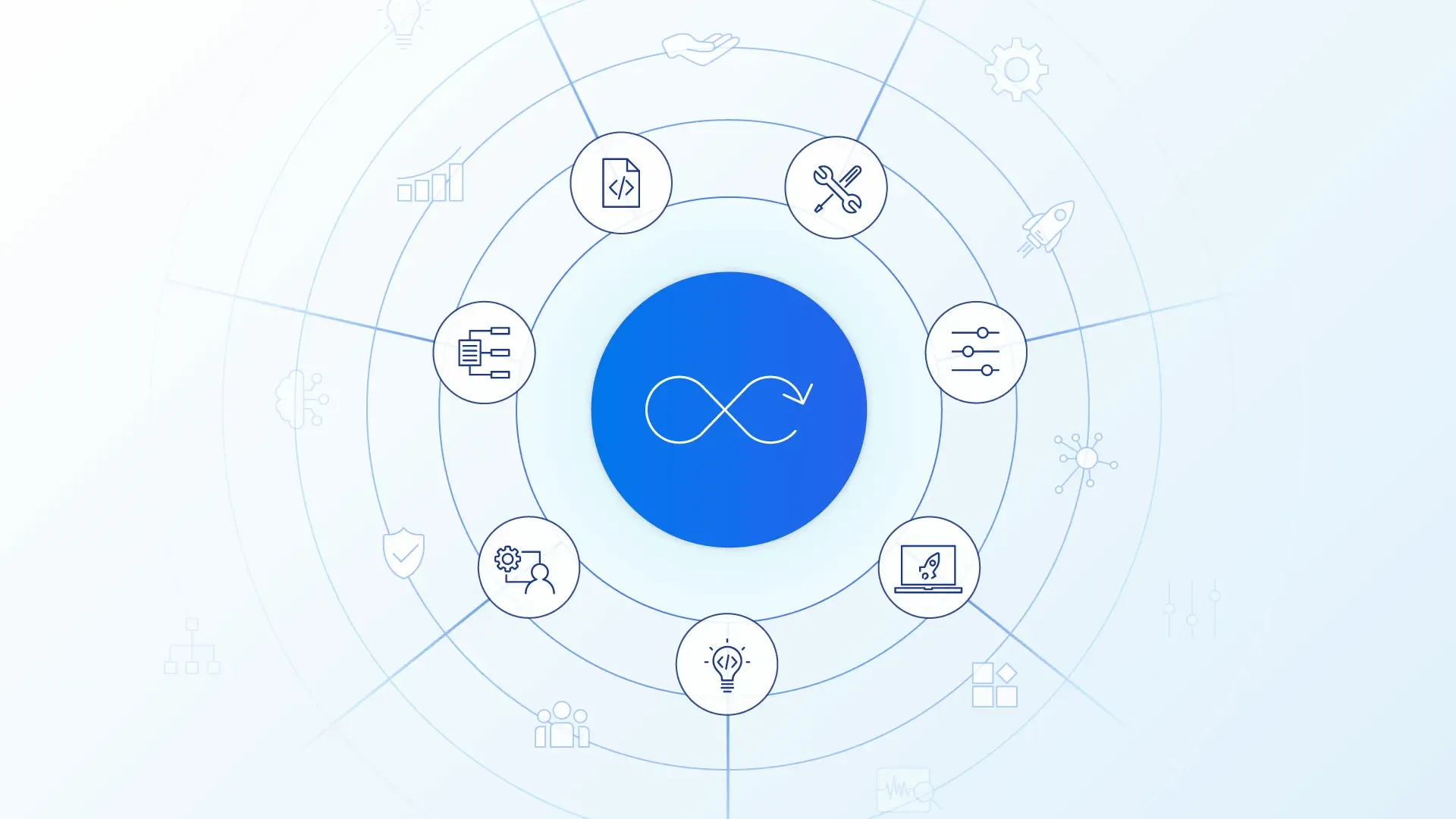
Continuous evolution & empowerment

Adapt, innovate, and scale without limits. DataMiner’s open architecture ensures you stay ahead of changing technologies and market demands.

complete freedom to innovate

Build faster with modular, easy-to-use functions

DataMiner Functions make it easy to create powerful solutions by cherry-picking the building blocks you need.

Allowing you to continuously evolve on the fly and provide maximum value for your organization.

Discover all DataMiner Functions
Correlation engine
Detect identifiable patterns by relating various events.
Scheduler
Manage a list of scheduled tasks in an automated way.
Performance management
Ensuring activities and outputs align with organizational goals effectively and efficiently.
Service monitoring
Checks the performance of different services and quickly detects and resolves any issues.
Automation engine
Open-architecture, a fully user-definable automation engine.
Resource manager
Off-the-shelf component to streamline & standardize the management of your resources.
Profile manager
Configure complex resources repeatedly and reliably.
Fault management
Detect, isolate and resolve problems.
Proactive cap detection
Detect critical highs and lows in your network before they occur.
Object modeling
Visual representation of software or systems' objects, attributes, actions, and relationships.

Experience our live demo system

Catch a first glimpse of DataMiner and see for yourself why it's the leading NMS/OSS solution for the ICT media and broadband industry!

DataMiner east-west overview of a satellite operation, with trend graph overlay

Гђђ2020ећџе€›ећ•ж‹ќгђ‘ећџе€›й…’еђ§ећ•ж‹ќ80дѕќеђ„з§ќе¤њеє—зѕћеґі1-4е­ј File

The COVID-19 pandemic, which began in late 2019 and spread globally in 2020, has had a profound impact on businesses of all sizes. Small and medium-sized enterprises (SMEs), in particular, have faced significant challenges in navigating the crisis. This essay will examine the effects of COVID-19 on SMEs in 2020, highlighting the difficulties they encountered and the opportunities that arose during this period.

Moreover, the pandemic has highlighted the importance of building strong relationships with customers, suppliers, and partners. SMEs that have fostered these relationships have been better equipped to navigate the crisis and identify new opportunities.

Despite the significant challenges, many SMEs have demonstrated remarkable resilience and adaptability. By pivoting their business models, products, and services, some SMEs have been able to thrive in the new environment. For instance, restaurants and cafes have shifted to offering takeout and delivery services, while retailers have invested in e-commerce platforms. The COVID-19 pandemic, which began in late 2019

Another significant challenge faced by SMEs was the lack of access to finance. Many small businesses rely on cash flow to operate, and the pandemic disrupted this flow, making it difficult for them to meet their financial obligations. Additionally, the economic uncertainty caused by the pandemic made it harder for SMEs to secure loans or other forms of financing, exacerbating their financial difficulties.

The COVID-19 pandemic brought about a range of challenges for SMEs. One of the primary concerns was the sudden disruption to supply chains, which affected the availability of raw materials and components. This, in turn, led to production delays and cancellations, ultimately impacting businesses' ability to fulfill orders and generate revenue. Furthermore, the lockdowns and social distancing measures implemented by governments worldwide forced many SMEs to close temporarily or operate at reduced capacity, resulting in significant losses. Moreover, the pandemic has highlighted the importance of

In response to the challenges faced by SMEs, governments around the world implemented various support measures. These included financial assistance programs, such as loans and grants, as well as tax relief and deferrals. For example, in the United States, the Paycheck Protection Program (PPP) provided forgivable loans to small businesses to help them maintain their workforce.

The COVID-19 pandemic has presented SMEs with unprecedented challenges, but it has also created opportunities for growth and innovation. As the global economy continues to evolve, SMEs must remain agile and adaptable to navigate the ongoing crisis. By leveraging government support, investing in digital technologies, and building strong relationships, SMEs can overcome the difficulties posed by the pandemic and emerge stronger and more resilient in the long term. By pivoting their business models, products, and services,

The pandemic also accelerated the adoption of digital technologies among SMEs. With many employees forced to work remotely, businesses had to invest in digital infrastructure, such as video conferencing tools and cloud-based software, to maintain productivity. This shift towards digitalization has opened up new opportunities for SMEs to reach customers and operate more efficiently.

Real-time harmonious data across your entire operation

DataMiner is a proven technology, with an unrivaled catalog of 7000+ connectors for products from over 1000 different vendors.

It’s the fastest growing collection of integrations, trusted by thousands of media and broadband companies worldwide and endorsed by leading tech vendors.

Overview of the DataMiner Catalog with different connectors available to deploy