Arquivo: Who.Needs.a.Hero.zip                  ...

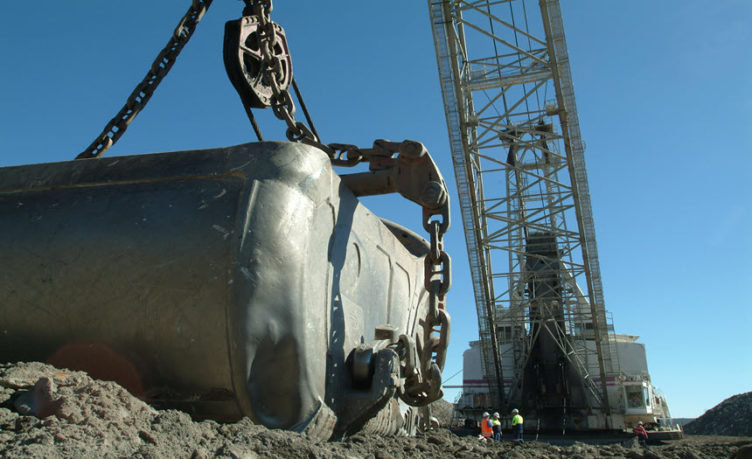
Mining engineers have trusted DRAGSIM for decades to make informed operational decisions, obtaining practical productivity and production cost data with speed and precision. DRAGSIM’s fully auditable functionality makes it a great fit for your company’s governance platform; you too can trust it to deliver accuracy and reliability from the pit to the boardroom.

Features

Arquivo: Who.needs.a.hero.zip ... | Premium × Walkthrough |

The traditional concept of a hero often involves a noble figure of immense strength, moral integrity , and selfless sacrifice. However, modern interpretations, such as those found in the game Who Needs a Hero? , challenge this trope by presenting protagonists who are "weak and dumb" but driven by relatable human desires like fame and gold. This shift prompts us to ask: do we need a perfect legend, or do we need a hero who reflects our own flaws?

Historically, heroes were defined by courage and outstanding achievements . In a world of gods and myths, these figures served as unreachable ideals. In contrast, the "humble, stick-wielding warrior" represents the everyman. By making choices that can lead to either "glory or ruin", this type of hero shows that heroism is not a fixed trait but a series of decisions influenced by both ambition and circumstance. Arquivo: Who.Needs.a.Hero.zip ...

Приложения в Google Play – Who Needs a Hero? - Adventure The traditional concept of a hero often involves

Ultimately, the question "Who needs a hero?" suggests that perhaps we don't need a savior in shining armor. Instead, we find value in characters who struggle, fail, and prioritize their own survival, yet still manage to impact the world around them. Whether they become a "feared villain or a legend", these flawed figures remind us that the journey toward greatness is often messy, comedic, and deeply human. This shift prompts us to ask: do we

While classic definitions suggest a hero works for the "greater good", the modern anti-hero often starts with selfish motivations. In the Who Needs a Hero? universe, the goal is often wealth and power. This reflects a more cynical, yet honest, view of human nature. It suggests that even those with less-than-noble beginnings can accidentally—or eventually—shape the "fate of the Kingdom". The comedy in this world arises from the gap between the heroic expectation and the clumsy reality of the character's actions.

Arquivo: Who.Needs.a.Hero.zip                  ...

Advanced analytics

Powerful reporting with inbuilt reports.

Arquivo: Who.Needs.a.Hero.zip                  ...

Industry standard

Trusted dragline solution for over 40+ years.

Arquivo: Who.Needs.a.Hero.zip                  ...

Drive continuous improvement

Validate planned vs actual.

Arquivo: Who.Needs.a.Hero.zip                  ...

Support your decisions

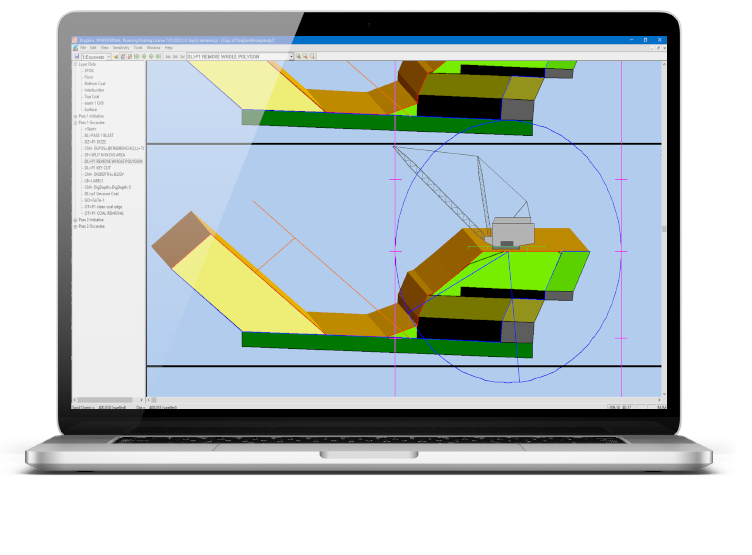
DRAGSIM is a dragline simulation system designed to optimise equipment productivity and waste movement to provide complete confidence in your decisions using the DRAGSIM decision support capability.

Method validation

By reproducing dragline methods across a range of operational parameters, and incorporating blasting, waste stripping and other mining equipment into the analysis, DRAGSIM gives users an accurate picture of dragline operations for a best-practice approach.

Evaluation of operating methods

Analyse the various segments of a cycle to identify the best and most practical method from a technical and economic perspective.

Request demo

The traditional concept of a hero often involves a noble figure of immense strength, moral integrity , and selfless sacrifice. However, modern interpretations, such as those found in the game Who Needs a Hero? , challenge this trope by presenting protagonists who are "weak and dumb" but driven by relatable human desires like fame and gold. This shift prompts us to ask: do we need a perfect legend, or do we need a hero who reflects our own flaws?

Historically, heroes were defined by courage and outstanding achievements . In a world of gods and myths, these figures served as unreachable ideals. In contrast, the "humble, stick-wielding warrior" represents the everyman. By making choices that can lead to either "glory or ruin", this type of hero shows that heroism is not a fixed trait but a series of decisions influenced by both ambition and circumstance.

Приложения в Google Play – Who Needs a Hero? - Adventure

Ultimately, the question "Who needs a hero?" suggests that perhaps we don't need a savior in shining armor. Instead, we find value in characters who struggle, fail, and prioritize their own survival, yet still manage to impact the world around them. Whether they become a "feared villain or a legend", these flawed figures remind us that the journey toward greatness is often messy, comedic, and deeply human.

While classic definitions suggest a hero works for the "greater good", the modern anti-hero often starts with selfish motivations. In the Who Needs a Hero? universe, the goal is often wealth and power. This reflects a more cynical, yet honest, view of human nature. It suggests that even those with less-than-noble beginnings can accidentally—or eventually—shape the "fate of the Kingdom". The comedy in this world arises from the gap between the heroic expectation and the clumsy reality of the character's actions.