Because legal supplies are tightening, a "gray market" persists, particularly in regions where small-scale gold mining is a primary livelihood. This illicit trade often bypasses safety protocols, leading to severe environmental contamination and mercury poisoning in local communities. For legitimate businesses, engaging in the mercury trade requires navigating a complex web of environmental permits and hazardous material transport regulations. The Shift Toward Recovery
The concept of "buying and selling mercury" occupies a unique space where industrial necessity meets rigorous environmental regulation. While once a common commodity used in everything from thermometers to gold mining, the trade of elemental mercury is now one of the most strictly controlled markets in the world. The Industrial Demand
Many countries, including the U.S. and those in the EU, have enacted strict bans on the export of elemental mercury to prevent it from being used in unregulated mining operations abroad. mercury buy and sell
Legal "buy and sell" transactions require extensive documentation. Sellers must often verify that the buyer has a legitimate industrial use and the facilities to handle the toxic substance safely. The "Gray Market" Risks
Historically, the primary market for mercury has been industrial. It remains a critical component in: Because legal supplies are tightening, a "gray market"
Used to extract gold from ore, this is currently the largest global driver of mercury demand.
The trade of mercury is dictated by the , a global treaty designed to protect human health and the environment. Under this treaty: The Shift Toward Recovery The concept of "buying
Small amounts are still used in specialized switches, relays, and medical devices, though digital alternatives have largely taken over the consumer market. Regulatory Constraints
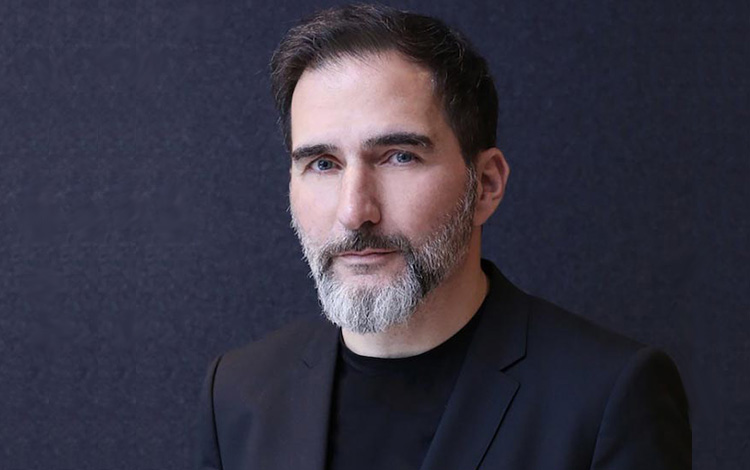
Cohn+Duprat
Luego de cinco años en México como Head of Fiction de Fremantle Latinoamérica, Manuel Martí regresó a Buenos Aires en 2025 como productor ejecutivo en Cohn+Duprat en el desarrollo de series y películas. El ejecutivo construyó gran parte de su carrera como director de Desarrollo y Producción Internacional de Polka, empresa en la que trabajó desde 2014. Bajo su cargo se hicieron producciones como Signos y El jardín de bronce, entre otras. Martí también trabajó en Turner durante ocho años en el área de Producción. Anteriormente fue director de La Produ y director creativo de Rock & Pop TV.
